Sorting pouch rolls without the handwork
A medication roll, also called a multi-dose pouch roll or sachet roll, leaves the pouch packaging machine as one continuous strip. The FarmaSort MicroSorter splits those rolls automatically by patient, ward or delivery route, up to 1500 products per hour at 99.9% accuracy.
Where sorting medication rolls stalls
Filling the roll is automated. Sorting and checking it afterwards often is not.
Sorting stays manual
The pouch machine delivers one continuous strip. Separating it per patient and distributing it across wards or routes is often still done by hand.
Checking costs more time than filling
Every roll is verified for name, intake moment and completeness, in practice often twice by two staff members.
Weekly batches create peaks
Pouch rolls arrive in weekly batches. Hundreds of rolls in a single morning bring the rest of the pharmacy to a halt.
The MicroSorter behind your pouch machine
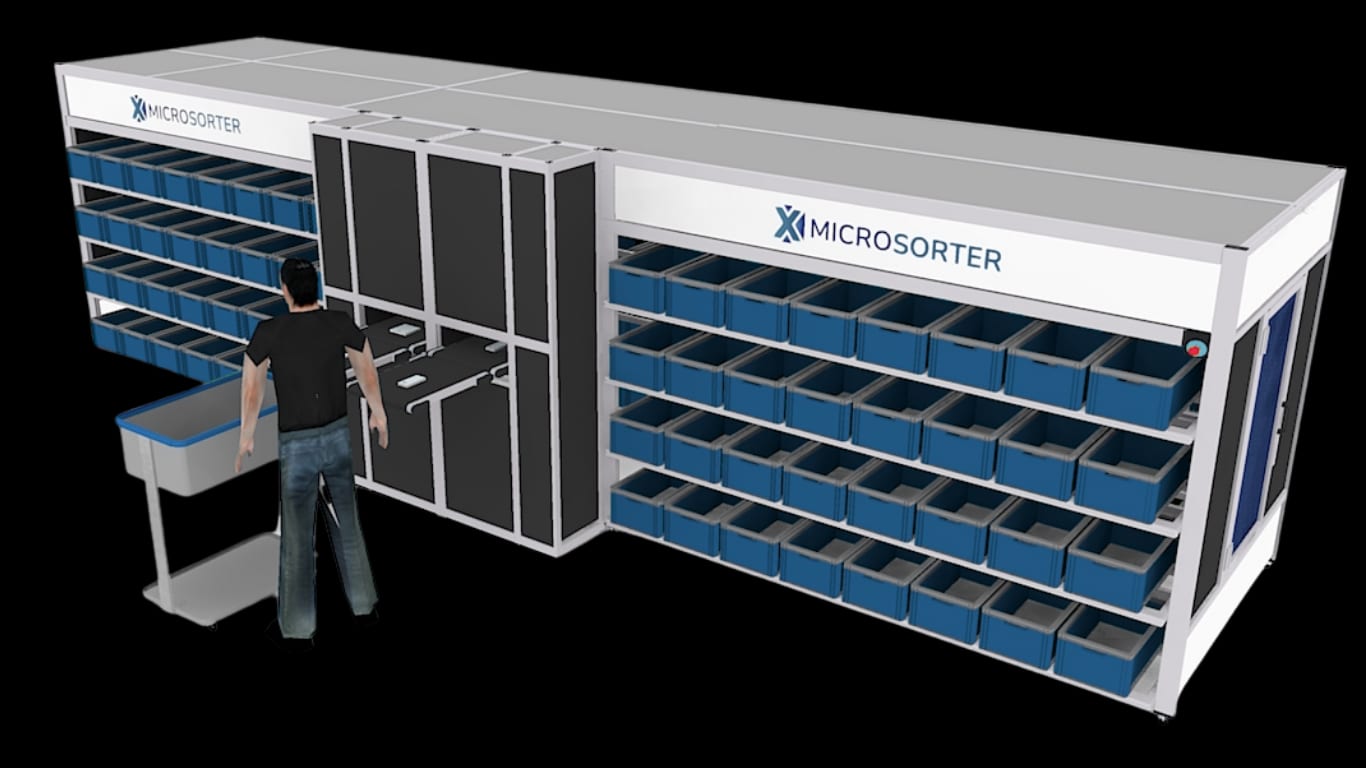
The MicroSorter sits directly behind your blister or pouch packaging machine and takes over the sorting. Every roll is scanned and delivered to the right output, with nobody having to stand beside the machine.
- Sorts by patient, ward, delivery route or expiry date (FEFO)
- Every roll is scanned, so traceable by batch and lot number
- 40+ outputs, modular to expand with your volume
- Built and supported from Wijchen, with a 5 year warranty on moving parts
What exactly is a medication roll?
A medication roll is a long strip of connected sachets, each holding exactly the medication one patient needs at one intake moment. Every sachet carries the date, the time and the names of the medicines. A single roll usually holds one, two or three weeks of medication. The same product goes by several names: medication roll, pouch roll, sachet roll and, in the Netherlands, baxterrol. In professional jargon it is multi-dose drug dispensing. Only solid oral forms such as tablets and capsules go into the sachets as a rule. Note the difference with IV bags. Those are sometimes called Baxter after the manufacturer, but they are a different product from the pharmacy pouch roll.
From pouch machine to patient
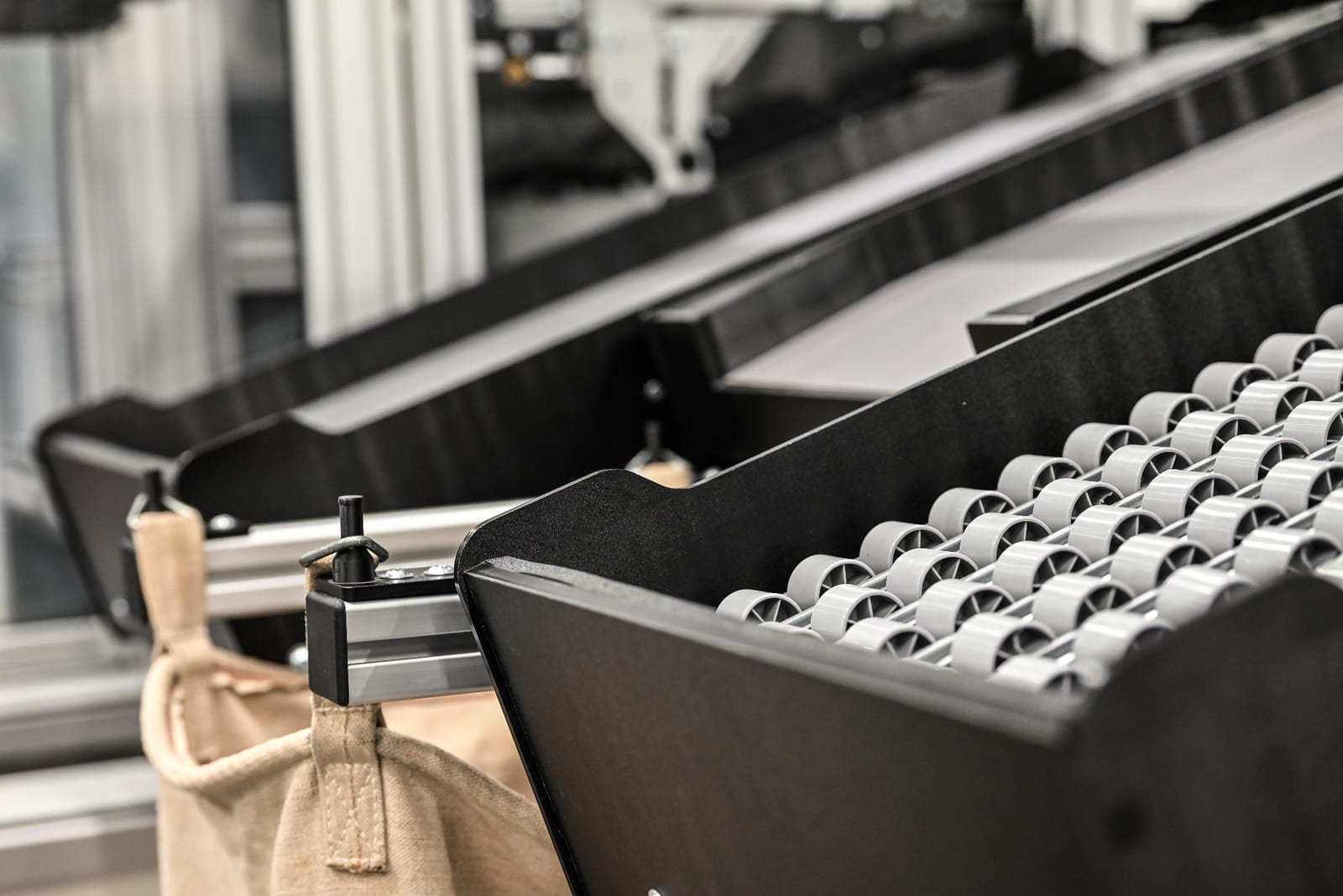
The roll leaves the pouch machine and enters the MicroSorter input station. The system reads the barcode or data matrix, matches it to the order in your pharmacy information system and determines the destination. The roll then goes to the output assigned to that patient, ward or route. Because every roll is scanned individually, the link between roll and destination is recorded in an audit trail. That is the same registration you need for serialisation under the Falsified Medicines Directive and for GDP audits. The check therefore shifts from manual verification to a system check. If a roll deviates from its expected destination, the system reports it immediately instead of the error surfacing at dispensing.
When does automated sorting pay off?
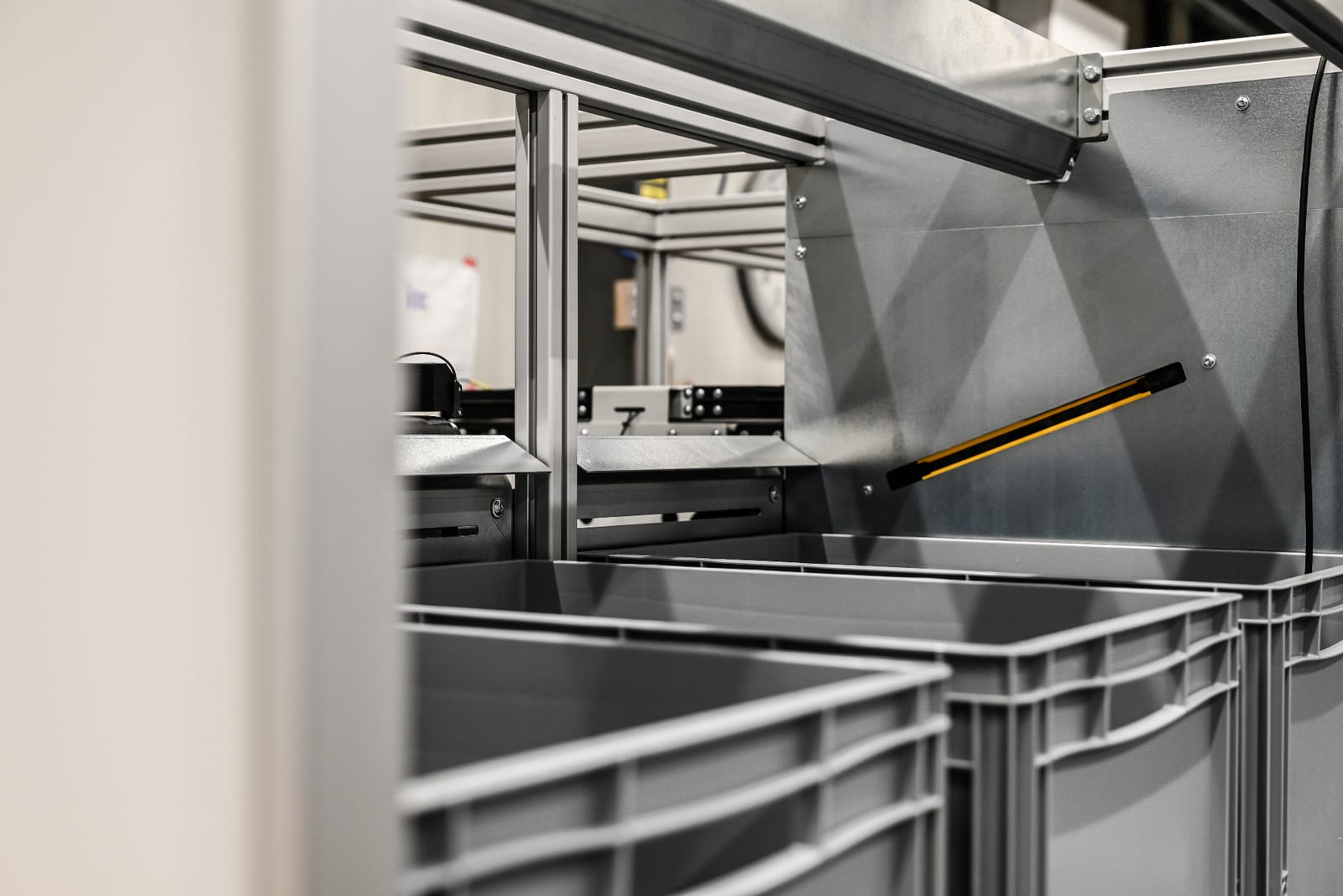
Automated sorting of medication rolls becomes interesting as soon as sorting and checking structurally costs more than one staff member per day, or as soon as you sort for multiple sites or wards. As an indication: manual sorting costs 4 to 6 FTE in an average hospital. With two input stations one MicroSorter handles up to 1500 products per hour, around 800 products per hour per input station, and typically replaces 4 to 6 manual sorting staff. One operator per input station is required. Whether that holds in your situation depends on your weekly roll volume, the number of destinations and the peaks in your planning. An engineer works that through using your own figures, and you can have a test sort done with your own rolls beforehand.
Specifications
The MicroSorter for medication rolls
Benefits
What automated sorting of medication rolls delivers
Sorting by patient
Every roll goes automatically to the right patient output, ready to check and dispense.
Sorting by ward or route
One sorting scheme for wards, care groups, sites or delivery routes, configurable per day.
FEFO and expiry dates
The system sorts on expiry date, so the oldest stock leaves first.
Traceable per roll
Barcode and data matrix registration per roll gives an unbroken audit trail for FMD and GDP.
Less double checking
The link between roll and destination is recorded by the system instead of verified by hand.
Peaks without extra staff
Weekly batches and holiday peaks are absorbed with capacity instead of temporary hires.
Frequently asked questions
Answers about sorting medication rolls